Source self-priming fluorine plastic magnetic pump for Chemical, Medicine, and Food
Find 30 listings for the self-priming fluorine plastic magnetic pump suitable for chemical, medicine, and food applications. Buyers can compare specifications like flow rate, head, and motor power to select the right equipment for their industrial needs.
Key considerations
Products List


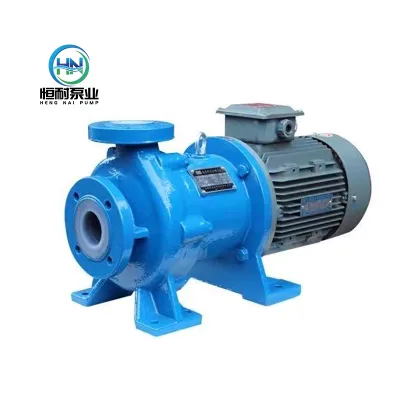
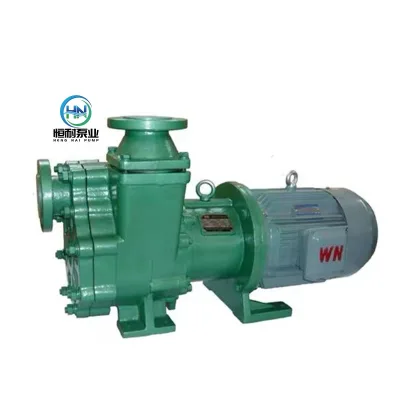


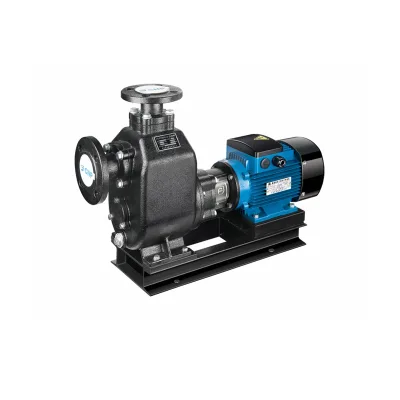

High Quality Stainless Steel Magnetic Pump Self Priming Pump Chemical Pump
$3200.00 - $4000.00
MOQ: 1 Pieces

High Quality Versatile Magnetic Pump for Efficient Fluid Transfer Applications
$2200.00 - $3000.00
MOQ: 1 Pieces


Comprehensive Sourcing Guide
Strategic Sourcing Guide for Self-Priming Fluorine Plastic Magnetic Pumps
The procurement of industrial fluid handling equipment requires a rigorous approach, particularly when dealing with specialized machinery like self-priming fluorine plastic magnetic pumps. These units are engineered to handle corrosive, toxic, or high-purity fluids without the risk of leakage, making them indispensable in sectors ranging from chemical processing to pharmaceutical manufacturing. For buyers navigating the global market, understanding the specific technical attributes, operational constraints, and supplier verification protocols is essential to mitigate risk and ensure long-term operational reliability. This guide synthesizes available product data and industry standards to provide a comprehensive framework for sourcing these critical assets.
Technical Architecture and Performance Specifications
The core of any sourcing decision lies in the technical specifications that define the pump's capability. Based on the observed product data, the market offers a diverse range of configurations tailored to specific hydraulic requirements. A primary distinction in these units is the mounting orientation and shaft positioning. The supply chain features both vertical and horizontal pump variants. Vertical configurations are often characterized by a suction centrifugal mounting height, while horizontal models utilize a split casing design, specifically noted as "Horizontal Split Pumps." This distinction dictates the installation footprint and maintenance accessibility within a facility.
The impeller design is another critical technical parameter. The data indicates the availability of semi-open impellers, which are often preferred for handling fluids with suspended solids, alongside closed impeller designs that offer higher efficiency for clean liquids. The driving mechanism is consistently identified as a motor-driven system, with specific references to magnetic drive technology. This magnetic drive feature is a hallmark of fluorine plastic pumps, eliminating the need for a mechanical seal and thereby preventing leaks in hazardous applications.
Performance metrics vary significantly across the product catalog. The flow rates observed span from a low of 1 cubic meter per hour to a high of 1000 cubic meters per hour, with some specific models citing a range of 1 to 400 cubic meters per hour. Head pressure capabilities also show a wide spectrum, with standard operating heads ranging from 10 to 34 meters, while high-pressure variants can achieve maximum heads between 110 and 150 meters. Some specific models are designed for high-pressure applications with heads between 30 and 50 meters. The capacity for self-priming is a vital feature, with observed data indicating a self-priming height capability of 1 to 3 meters.
Temperature resistance is a defining characteristic of fluorine plastic construction. The medium temperature range for these pumps is documented between -20 degrees Celsius and 100 degrees Celsius, with certain high-performance models extending the upper limit to 150 degrees Celsius. This thermal resilience allows for the handling of hot acids or volatile solvents that would degrade standard metal or rubber components. The working pressure classifications include both middle and high-pressure pumps, necessitating careful selection based on the system's hydraulic profile.
Application Domains and Fluid Compatibility
The versatility of self-priming fluorine plastic magnetic pumps is evident in their broad application spectrum. The data explicitly lists the pharmaceutical and food industries as primary users, where hygiene and the prevention of contamination are paramount. The magnetic drive ensures a hermetic seal, which is crucial for maintaining the purity of sensitive products. Beyond these sectors, the chemical industry and petroleum sectors are major consumers, utilizing these pumps for the transfer of aggressive acids and solvents.
Specific industrial processes mentioned include acid pickling and acid making, which require materials that can withstand extreme corrosion. The fluorine plastic construction provides the necessary chemical inertness for these environments. Furthermore, the data points to applications in the paper-making industry, where the pumps handle various slurries and chemical additives. The inclusion of "Slurry Pump" in the usage category suggests that certain models are optimized for fluids containing particulate matter, leveraging the semi-open impeller design to prevent clogging.
The versatility extends to the medium temperature range, allowing these pumps to operate in both cryogenic and high-temperature environments. This adaptability makes them suitable for a wide array of process conditions, from cold storage to heated reaction vessels. The ability to handle a flow rate of up to 1000 cubic meters per hour in larger models indicates that these pumps can scale to meet the demands of large-scale industrial plants, while smaller units with capacities around 1 cubic meter per hour serve laboratory or pilot plant needs.
Compliance, Standards, and Certification Verification
When sourcing industrial pumps, verifying compliance with international and local standards is a non-negotiable step. The product data references specific standards, such as "50kg" and "IMD," though these may refer to specific packaging or model identifiers rather than universal safety certifications. Buyers must independently verify that the pumps meet relevant industry standards for pressure vessels, electrical safety, and material composition. The standard "IMD" is noted in the context of specific models, suggesting a proprietary or regional standard that requires validation against international norms like ISO or API.
Packaging standards are also critical for ensuring the equipment arrives in optimal condition. The data indicates that pumps are typically packed in wooden cases or wooden cartons, with options for custom packaging requirements. One specific standard mentioned involves dimensions of 100.00cm x 100.00cm x 100.00cm, which likely refers to the maximum packaging volume for larger units. Buyers should confirm that the packaging meets international shipping regulations, particularly for hazardous materials if the pump is being shipped with residual fluids or specific chemical components.
Origin and manufacturing location play a significant role in compliance. The data identifies China, and specifically Shijiazhuang, as the origin of these products. While this provides a geographical context, buyers must ensure that the manufacturing facility adheres to the quality management systems required by their local jurisdiction. Certifications such as CE, UL, or ATEX may be required depending on the destination market and the specific application, such as handling flammable solvents in a hazardous area. It is imperative to request valid certification documents from the supplier rather than relying on general product descriptions.
Cost Drivers and Economic Considerations
The pricing structure for self-priming fluorine plastic magnetic pumps is influenced by several key factors. The observed price range in the market spans from 1 to 30,000 USD, reflecting the vast difference between small laboratory units and large industrial systems. The primary cost drivers include the motor power, which ranges from 0.55 to 250 kW, and the material composition of the pump casing and impeller. Higher motor powers and more complex magnetic drive systems naturally command higher prices.
The level of customization is another significant economic factor. The data confirms that customization is available, with specific support for OEM and ODM services. Customization typically involves altering the pump model, impeller design, or material specifications to fit unique process requirements. This flexibility comes with a minimum order quantity (MOQ) constraint, which is observed to range from 2 to 5 pieces for customized orders. Standard models may have a lower MOQ, sometimes as low as 1 unit, making them more accessible for small-scale procurement.
Lead times and shipping costs also impact the total cost of ownership. While specific lead times are not provided in the data, the complexity of manufacturing a magnetic drive pump with fluorine plastic components suggests that production times may vary. Buyers should account for potential delays in the supply chain, especially when ordering custom configurations. Additionally, the origin of the product, China, implies that shipping costs will be a variable factor depending on the buyer's location and the chosen logistics provider.
Supplier Evaluation and Selection Criteria
Selecting the right supplier requires a thorough evaluation of their capabilities and track record. The data indicates that suppliers offer a wide range of models, including BMD, IMD, FZB, and ZMD Series F. This variety suggests that suppliers may have diverse product lines or act as aggregators for multiple manufacturers. Buyers should verify the authenticity of the model numbers and ensure that the supplier has direct access to the manufacturing facilities.
The ability to provide customization support is a key differentiator. Suppliers offering OEM and ODM services demonstrate a higher level of technical competence and flexibility. Buyers should assess the supplier's engineering team to ensure they can provide the necessary technical support for system integration. The mention of "Customization MOQ" of 2 to 5 pieces indicates that suppliers are willing to engage with smaller buyers, provided the order meets the minimum threshold.
Geographical location is another consideration. With origins in Shijiazhuang and China, buyers should consider the logistics of importing these pumps. Suppliers with a strong export history and experience in handling international shipping will be better equipped to manage the complexities of cross-border trade. It is also advisable to check for any past performance issues or customer reviews, although specific test results and performance claims should be treated as observations rather than guaranteed metrics.
Quality Control and Long-Term Procurement Strategy
Ensuring the quality of the pumps is paramount for maintaining operational safety and efficiency. The data highlights specific attributes such as the "Verticaljoint Surface Pump" and "Horizontal Split Pumps," which are design features that can affect the ease of maintenance and the longevity of the unit. Buyers should request detailed quality control reports that verify the integrity of the magnetic drive and the chemical resistance of the fluorine plastic components.
Long-term procurement considerations include the availability of spare parts and the technical support provided by the supplier. The motor power range of 0.55 to 250 kW suggests that a wide range of spare parts, including motors and impellers, should be available. Buyers should negotiate service level agreements that guarantee the supply of critical components and provide technical assistance for troubleshooting.
The medium temperature range of -20 to 150 degrees Celsius indicates that these pumps are designed for demanding environments. However, the actual performance in such conditions depends on the quality of the materials and the precision of the manufacturing process. Buyers should conduct rigorous testing, such as pressure tests and flow rate verification, upon receipt of the equipment. The observed flow rates and head pressures should be validated against the actual system requirements to ensure that the pump will perform as expected under load.
Comparative Analysis of Pump Configurations
To assist buyers in making informed decisions, the following table summarizes the key technical variations observed in the market for self-priming fluorine plastic magnetic pumps.
| Feature Category | Vertical Configuration | Horizontal Configuration |
|---|---|---|
| Mounting Height | Suction Centrifugal | N/A (Split Casing) |
| Shaft Position | Vertical Pump | Horizontal Pump |
| Casing Type | Verticaljoint Surface Pump | Horizontal Split Pumps |
| Impeller Type | Semi-Open | Closed |
| Typical Application | Medicine, Food, Slurry | Chemical, Petroleum, Paper |
| Max Head Range | 110m - 150m | 17m - 80m |
| Flow Rate Range | 3~55 m3/H | 1m3/H ~ 400 m3/H |
| Model Series | BMD, ZMD Series | IMD, FZB |
This comparison highlights the distinct advantages of each configuration. Vertical pumps are often preferred for space-constrained installations and specific suction requirements, while horizontal pumps offer easier maintenance access due to their split casing design. The choice between semi-open and closed impellers should be guided by the nature of the fluid being pumped, with semi-open impellers being more suitable for slurries and closed impellers for cleaner liquids.
In conclusion, sourcing self-priming fluorine plastic magnetic pumps requires a meticulous approach that balances technical specifications, application requirements, and supplier capabilities. By adhering to the guidelines outlined in this guide, buyers can navigate the complexities of the market and secure high-quality equipment that meets their operational needs. The diversity of models and configurations available ensures that there is a solution for almost any industrial application, provided that the buyer conducts thorough due diligence and verification.
FAQs
What is the maximum head pressure for these pumps?
The maximum head pressure reaches up to 150 meters for high-pressure variants. Standard models typically operate between 10 and 34 meters, while specific high-pressure units are designed for heads between 30 and 50 meters.
Can these pumps handle high-temperature media?
Yes, they can handle media temperatures ranging from -20 to 150 degrees Celsius. Standard models operate up to 100 degrees Celsius, but high-performance fluorine plastic units extend the upper limit to 150 degrees.
Which impeller designs are available for these pumps?
Both semi-open and closed impeller designs are available in the market. Semi-open impellers are preferred for fluids with suspended solids, while closed impellers offer higher efficiency for clean liquids.
How much customization is supported for these units?
Customization is available with support for OEM and ODM services. The minimum order quantity for customized orders typically ranges from 2 to 5 pieces, depending on the specific requirements.
What is the self-priming height capability of these pumps?
The self-priming height capability ranges from 1 to 3 meters. This feature allows the pump to draw fluid without external priming, making it suitable for various installation scenarios.
Which industries commonly use these magnetic drive pumps?
These pumps are commonly used in the pharmaceutical, food, chemical, and paper-making industries. They are also utilized for acid pickling processes and handling corrosive fluids in petroleum sectors.